Sarita Munoz-Gomez, MSc
Plant development and evolution of sex determination
My research interests include plant development and transcriptomics, genetics of sex determination and evolution of dioecy and sex determination systems in the sunflower family (Asteraceae). I previously worked in the genetic control of pigmentation and pigmentation patterns in Mimulus and Aristolochia.
I am passionate about science communication and scientific illustration and have worked in multiple outreach and SciComm initiatives!
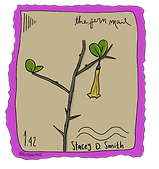
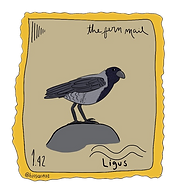
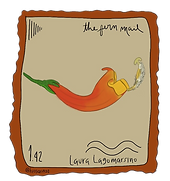
The Fern Mail Twitter initiative 2020-2021

Art that speaks Science

I'm a paragraph. Click here to add your own text and edit me. It's easy.

Sex determination, dioecy, and sex chromosomes
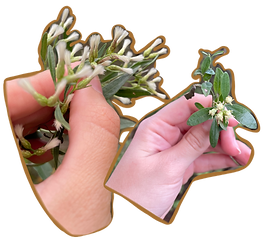
Baccharis is an all-dioecious genus within the Asteraceae family. B. halimifolia specifically, presents homogamous pistillate and staminate heads in separate individuals, with males retaining a pistillode structure to use in pollen presentation. The species presents a unique case of sex determination across development with type I and type II unisexual flowers.
Research topics
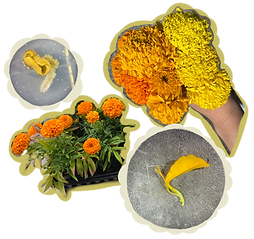
Sex linked morphology in Tagetes erecta
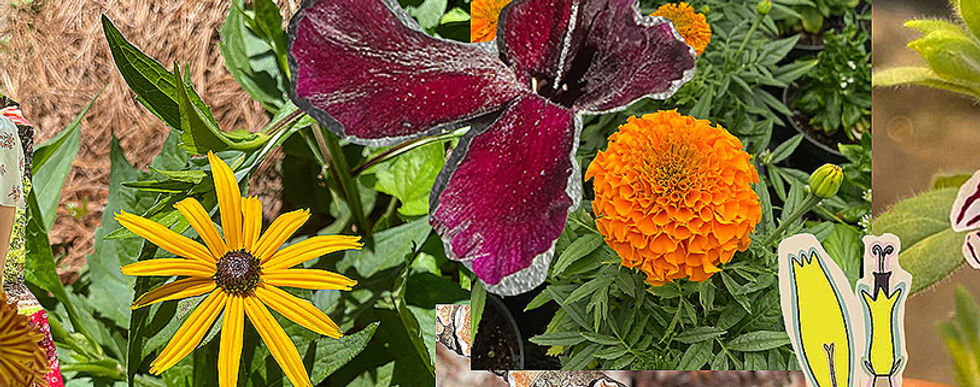
T. erecta or marigold is a cultivated Asteraceae species with multiple cultivars with unique characteristics, including their inflorescence morphology, with both homogamous and heterogamous capitula present. This diversity can be leveraged to understand the genetic control of sex determination and floret identity, and how these traits may be linked to each other.
Pigment production and vein-associated patterns
Pigments are widely used in plants to fulfill many functions. In flowers, pigmentation is important for attraction of pollinators. Pigments can be produced as a pattern, including vein-associated patterns. An example of this pattern is found in Mimulus pictus (Phrymaceae). However, how this pattern is established in the species is not known.